Posture, Presence, and Physical Confidence
Your body language speaks before you do. Learn how posture affects nervousness and what to do with your hands, shoulders, and stance.

Why Your Body Matters More Than Your Words
Here’s something most people don’t realize: when you’re nervous about speaking, your body shows it before your voice does. Your shoulders tense up. Your hands don’t know where to go. You might lean on one leg or hunch forward slightly. And the audience picks up on all of it—sometimes without even knowing why they feel something’s off.
The good news? You can change this. Not by faking confidence you don’t feel, but by understanding how posture actually affects your nervous system. When you stand properly, your breathing gets easier. Your voice comes out stronger. You actually feel more calm. It’s not psychology—it’s physiology. Your body and your mind are connected.
The Foundation: Your Stance
Let’s start with your feet. Most nervous speakers either lock their knees (which cuts off circulation and makes you feel more anxious) or shift weight constantly (which looks uncertain). Instead, you’ll want what we call an “active stance.”
Feet shoulder-width apart. Weight balanced evenly on both feet. Knees slightly soft—not locked. This isn’t a military posture. It’s just grounded. From here, you can move naturally without looking like you’re searching for balance.
Try this now: Stand up and lock your knees. Notice how your breathing feels restricted? Your chest can’t expand properly. Now unlock them and take a breath. Completely different. That’s the difference between a posture that increases anxiety and one that calms it.
The stance matters: Active stance = easier breathing = calmer nervous system. Locked knees = restricted breathing = more anxiety.

Your Shoulders: The Anxiety Indicator
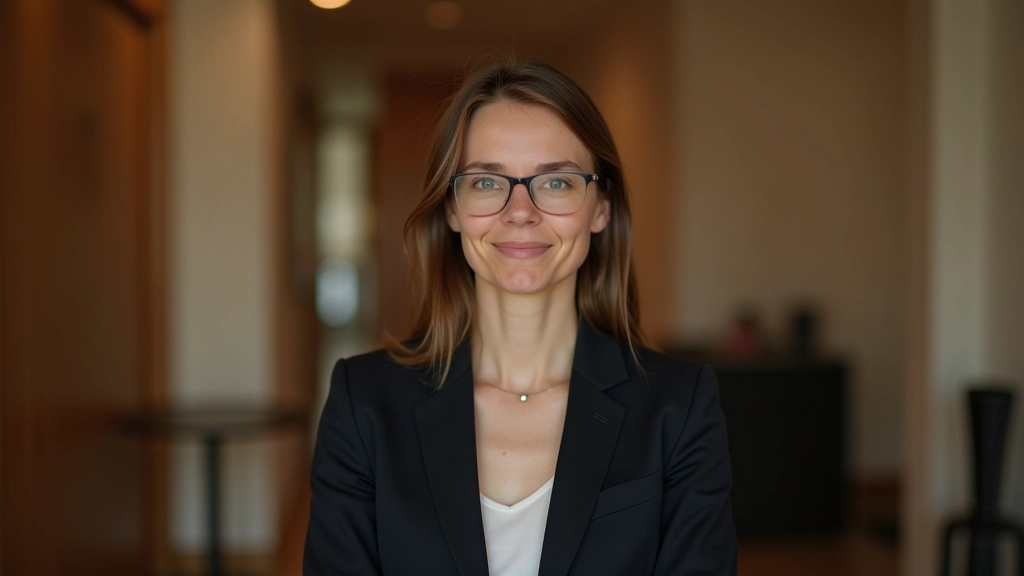
Your shoulders are like an anxiety gauge. When you’re nervous, they creep up toward your ears. You might not notice it happening, but your audience does. It signals tension and fear.
The fix is simple but takes practice: shoulders down and back. Not rigid—relaxed. Imagine your shoulder blades sliding down your back. From this position, your chest opens up, your lungs have space to fill with air, and you look calm.
We work on this constantly in our workshops. Most people need about 2-3 sessions before it becomes automatic. At first, it feels weird. Your muscles are used to being tight. But after a few weeks of practice, your body remembers. And when you’re actually in front of an audience, you don’t have to think about it—your shoulders just stay down.

Your Hands: What to Actually Do With Them
This is the question we hear most: “What do I do with my hands?” And people get all sorts of bad advice. Some coaches say keep them at your sides. Others say gesture constantly. The truth is somewhere in between.
Your hands should be ready to gesture—but not forced. When you’re talking about something that matters to you, your hands naturally move. When you’re anxious, you either clench them or wave them around nervously. Neither helps.
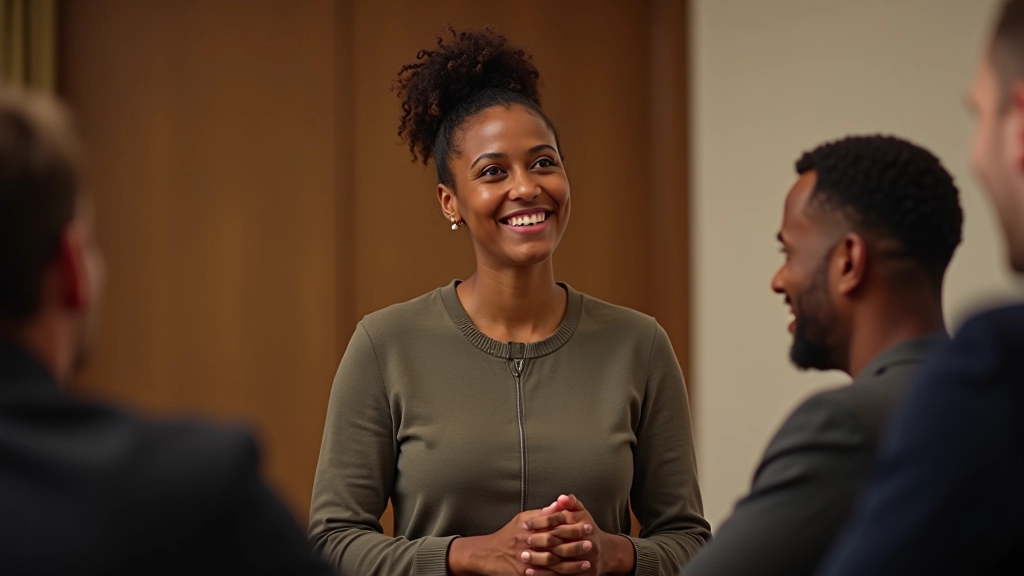
The practical approach: hands at waist level or slightly in front of you, relaxed. When you want to emphasize a point, gesture. When you don’t, let them rest. It’s that simple. We practice this in small groups where people can actually see what looks natural versus forced. It takes about 4-5 practice sessions before most people stop overthinking it.
Quick tip:
If your hands shake when you’re nervous, avoid holding papers or a pen. Use note cards you can set down, or practice without notes entirely. Most of our workshop participants find that after 6-8 weeks of regular practice, the shaking stops because they’re actually less nervous.

Important Note
This article provides educational information about posture and physical presence during presentations. While these techniques are widely practiced and discussed in presentation coaching, individual results vary based on personal circumstances, practice level, and comfort. If you experience severe anxiety or physical symptoms that interfere with speaking, consider consulting with a healthcare professional alongside presentation coaching. This content is informational and not a substitute for personalized coaching or medical advice.
The Real Takeaway
Your posture isn’t about looking confident when you’re not. It’s about creating the conditions where confidence can actually happen. Better posture means better breathing. Better breathing means your nervous system calms down. Your mind follows your body.
In our workshops, we don’t just talk about this stuff. We practice it. Over and over. In small groups where people feel safe to try things that feel awkward at first. Because that’s how real change happens—not from reading about it, but from doing it repeatedly until it becomes automatic.
Start with your stance. Get that right. Then work on your shoulders. Then your hands. You don’t have to fix everything at once. Pick one thing this week, practice it daily, and by next week it’ll feel more natural. That’s how people actually move past speaking anxiety. One small, concrete change at a time.
Ready to practice with others? Our small-group workshops focus on exactly these skills in a supportive environment.
Get in Touch